
YSO510TP Drone TCXO: ±0.5 ppm from -40°C to +85°C
Time: 2026-11-06 10:01:12
YSO510TP TCXO for Drones: Stable Timing from Cold Altitude to Hot Tarmac
A drone is a timing system with rotors. Flight control, GNSS/RTK positioning, telemetry and image transmission all depend on the same clock reference — and when that reference moves, the symptoms are rarely dramatic at first: a fix that takes longer, a video link that stutters, a position that wanders by a few metres. The YXC YSO510TP is a temperature-compensated crystal oscillator built for exactly these conditions: ±0.5 ppm stability across -40°C to +85°C, 1.8 V operation and a 2.0 × 1.6 mm (2016) package.
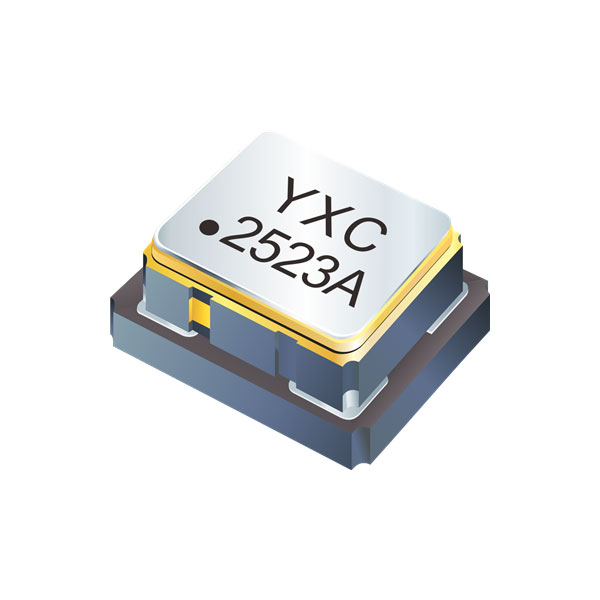
Figure 1: YXC YSO510TP TCXO — ±0.5 ppm over -40 to +85°C, 1.8 V supply, 2016 (2.0 × 1.6 mm) package.
1. Three Field Failures That Start with a Drifting Clock
In field reports, the same three complaints keep appearing: positions that are slow or unstable, video and telemetry links that break up at range, and flight time that is shorter than the battery calculation promised. They look like separate problems — GNSS, RF, power — but all three trace back to the timing reference. Temperature moves its frequency; phase noise and jitter dirty the RF link; supply voltage and package size set the power and layout budget. A TCXO is the component that decides how well all three are handled.
2. Pain Point 1 — Cold Altitude, Hot Tarmac, Shifting Frequency
A drone can climb from a 35°C launch pad into air that is well below freezing within minutes, then bake inside a dark enclosure on the ground. An uncompensated crystal moves with that temperature excursion; the GNSS receiver and the flight controller see a reference that is no longer where it should be. The result is slower fixes, larger position scatter and timing that has to be re-acquired instead of held.
- ±0.5 ppm over -40°C to +85°C: the ordering option most drone and GNSS designs choose, keeping the reference stable across the full operating range instead of only at room temperature.
- Four stability grades: ±0.28, ±0.5, ±1.5 and ±2.5 ppm — pick the grade that matches your link budget and cost target.
- ±1.0 ppm/year aging: long-term drift stays bounded, so the radio and positioning performance you validate at design-in is still there after deployment.
3. Pain Point 2 — Jitter Becomes Video Stutter and Position Wander
At range, the image-transmission link is already working with a thin margin. Clock jitter and phase noise widen the effective noise floor, so packets arrive with more errors, the link steps down to a lower rate, and the picture stutters. The same dirty reference shows up in GNSS as position jitter, and in telemetry as retries. The YSO510TP is designed as a clean reference for GNSS, image transmission and telemetry chains — the oscillator does not fix the antenna, but it stops the clock from consuming margin that the RF design needs.
4. Pain Point 3 — Battery Budget and PCB Real Estate
Every milliwatt and every square millimetre counts on a flight controller. Running the timing chain at 1.8 V instead of 3.3 V reduces the energy that the oscillator and its supply rail consume, and the 2016 package (2.0 × 1.6 mm) leaves room for the sensors and connectors that have to sit next to it. When the board has more space, the same series is available in 2520, 3225, 5032 and 7050 packages, so the electrical choice does not force a layout compromise.
5. YSO510TP at a Glance
- Frequency: 10–52 MHz
- Stability: ±0.28 / ±0.5 / ±1.5 / ±2.5 ppm (ordering options)
- Supply voltage: 1.8 / 2.5 / 3.0 / 3.3 V
- Output: CMOS or clipped sine
- Operating temperature: -40°C to +85°C
- Package: 2016 (2.0 × 1.6 mm), 2520, 3225, 5032, 7050
- Aging: ±1.0 ppm/year
- Compliance: RoHS
Full electrical characteristics, test conditions and recommended layout are on the YSO510TP product page; confirm the exact ordering code with our FAE team before release.
6. Where YSO510TP Fits
The series covers the timing needs of a complete drone platform — and the same reference is equally at home in handheld and navigation equipment:
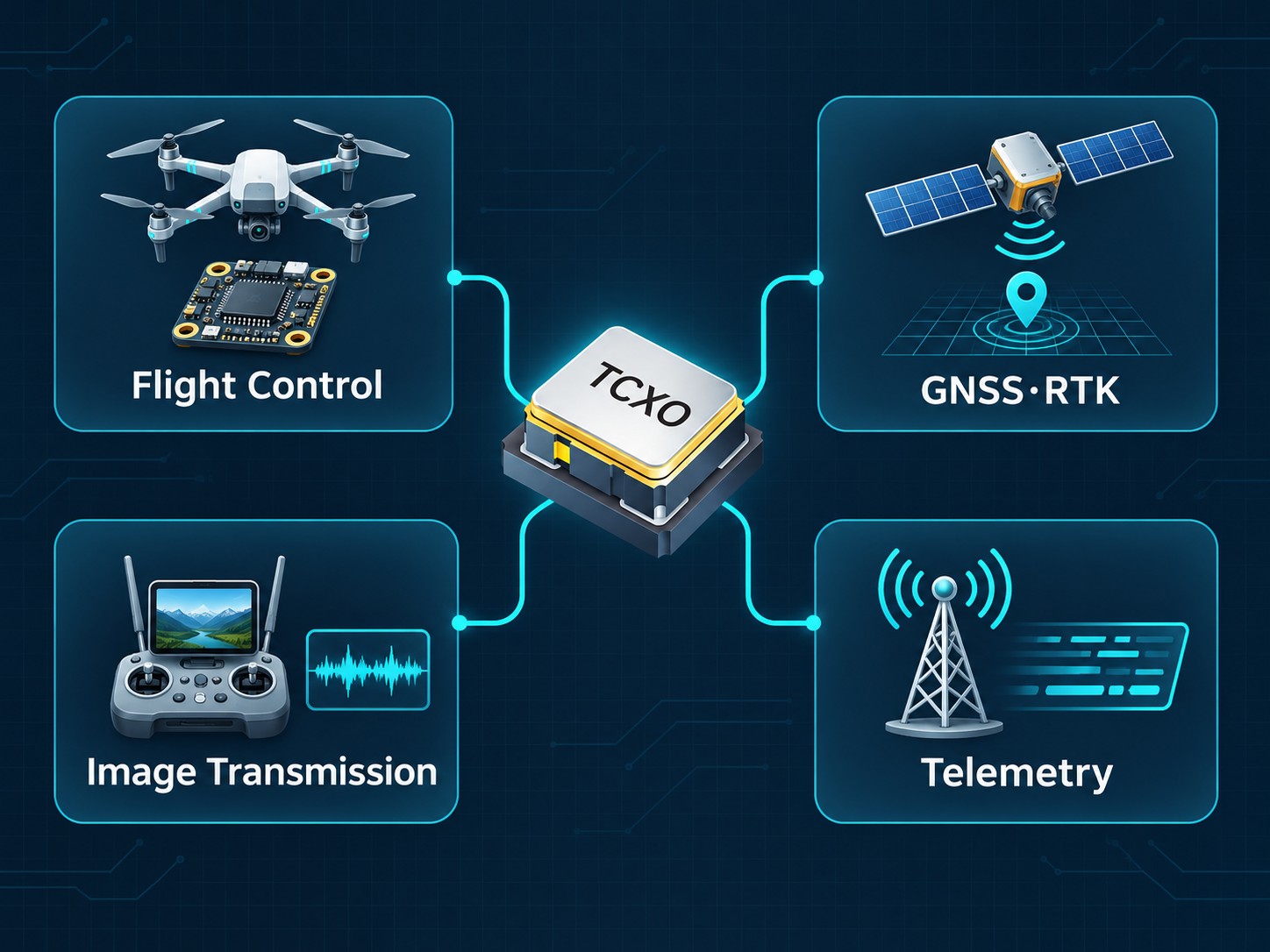
Figure 2: One clean clock reference supports flight control, GNSS/RTK, image transmission and telemetry.
- Drone flight control: a stable clock for the flight controller and IMU fusion, so attitude estimates do not drift with temperature.
- GNSS / RTK: accurate timing for fast fixes and reliable centimetre-level positioning.
- Image transmission: a low-jitter reference for video and telemetry links, protecting link margin at range.
- Handheld radios and navigation modules: a compact, low-voltage reference for portable communication and navigation boards.
7. Specifying the Right Variant
A TCXO part number is a combination of five choices. Decide them in this order and the selection is straightforward:
- Frequency: 10–52 MHz — state the exact frequency, not a range.
- Stability grade: ±0.5 ppm is the common choice for drone and GNSS designs; ±0.28 ppm is available when the margin is tightest.
- Supply voltage: 1.8 V for the lowest power, or 2.5 / 3.0 / 3.3 V to match the existing rail.
- Output: CMOS for digital loads, clipped sine where the RF chain expects a sine reference.
- Package: 2016 for the smallest footprint, with 2520 / 3225 / 5032 / 7050 available for larger boards.
Two practical notes: the ±0.5 ppm figure applies to the specified ordering option over -40°C to +85°C, not to every part in the family; and the 2016 package is a footprint choice — the ordering code still has to state the frequency and stability grade you require.
8. Samples, Datasheets and FAE Support
As an authorized YXC distributor, YQM supplies YSO510TP samples, datasheets and FAE support for volume programmes. If you are still choosing between a TCXO and a standard oscillator for a new airframe, our team can review the timing chain with you — from GNSS receiver to image-transmission radio — and recommend the stability grade that fits the link budget. Browse the full Standard TCXO series or contact our team for samples and technical documentation.
Request YSO510TP Samples & Datasheet
●±0.5 ppm over -40~+85°C
●1.8 V / 2016 Package
●CMOS / Clipped Sine
●FAE Support & Samples
YSO510TP Drone TCXO: ±0.5 ppm from -40°C to +85°C
Time: 2026-11-06 10:01:12
YSO510TP TCXO for Drones: Stable Timing from Cold Altitude to Hot Tarmac
A drone is a timing system with rotors. Flight control, GNSS/RTK positioning, telemetry and image transmission all depend on the same clock reference — and when that reference moves, the symptoms are rarely dramatic at first: a fix that takes longer, a video link that stutters, a position that wanders by a few metres. The YXC YSO510TP is a temperature-compensated crystal oscillator built for exactly these conditions: ±0.5 ppm stability across -40°C to +85°C, 1.8 V operation and a 2.0 × 1.6 mm (2016) package.
Figure 1: YXC YSO510TP TCXO — ±0.5 ppm over -40 to +85°C, 1.8 V supply, 2016 (2.0 × 1.6 mm) package.
1. Three Field Failures That Start with a Drifting Clock
In field reports, the same three complaints keep appearing: positions that are slow or unstable, video and telemetry links that break up at range, and flight time that is shorter than the battery calculation promised. They look like separate problems — GNSS, RF, power — but all three trace back to the timing reference. Temperature moves its frequency; phase noise and jitter dirty the RF link; supply voltage and package size set the power and layout budget. A TCXO is the component that decides how well all three are handled.
2. Pain Point 1 — Cold Altitude, Hot Tarmac, Shifting Frequency
A drone can climb from a 35°C launch pad into air that is well below freezing within minutes, then bake inside a dark enclosure on the ground. An uncompensated crystal moves with that temperature excursion; the GNSS receiver and the flight controller see a reference that is no longer where it should be. The result is slower fixes, larger position scatter and timing that has to be re-acquired instead of held.
- ±0.5 ppm over -40°C to +85°C: the ordering option most drone and GNSS designs choose, keeping the reference stable across the full operating range instead of only at room temperature.
- Four stability grades: ±0.28, ±0.5, ±1.5 and ±2.5 ppm — pick the grade that matches your link budget and cost target.
- ±1.0 ppm/year aging: long-term drift stays bounded, so the radio and positioning performance you validate at design-in is still there after deployment.
3. Pain Point 2 — Jitter Becomes Video Stutter and Position Wander
At range, the image-transmission link is already working with a thin margin. Clock jitter and phase noise widen the effective noise floor, so packets arrive with more errors, the link steps down to a lower rate, and the picture stutters. The same dirty reference shows up in GNSS as position jitter, and in telemetry as retries. The YSO510TP is designed as a clean reference for GNSS, image transmission and telemetry chains — the oscillator does not fix the antenna, but it stops the clock from consuming margin that the RF design needs.
4. Pain Point 3 — Battery Budget and PCB Real Estate
Every milliwatt and every square millimetre counts on a flight controller. Running the timing chain at 1.8 V instead of 3.3 V reduces the energy that the oscillator and its supply rail consume, and the 2016 package (2.0 × 1.6 mm) leaves room for the sensors and connectors that have to sit next to it. When the board has more space, the same series is available in 2520, 3225, 5032 and 7050 packages, so the electrical choice does not force a layout compromise.
5. YSO510TP at a Glance
- Frequency: 10–52 MHz
- Stability: ±0.28 / ±0.5 / ±1.5 / ±2.5 ppm (ordering options)
- Supply voltage: 1.8 / 2.5 / 3.0 / 3.3 V
- Output: CMOS or clipped sine
- Operating temperature: -40°C to +85°C
- Package: 2016 (2.0 × 1.6 mm), 2520, 3225, 5032, 7050
- Aging: ±1.0 ppm/year
- Compliance: RoHS
Full electrical characteristics, test conditions and recommended layout are on the YSO510TP product page; confirm the exact ordering code with our FAE team before release.
6. Where YSO510TP Fits
The series covers the timing needs of a complete drone platform — and the same reference is equally at home in handheld and navigation equipment:
Figure 2: One clean clock reference supports flight control, GNSS/RTK, image transmission and telemetry.
- Drone flight control: a stable clock for the flight controller and IMU fusion, so attitude estimates do not drift with temperature.
- GNSS / RTK: accurate timing for fast fixes and reliable centimetre-level positioning.
- Image transmission: a low-jitter reference for video and telemetry links, protecting link margin at range.
- Handheld radios and navigation modules: a compact, low-voltage reference for portable communication and navigation boards.
7. Specifying the Right Variant
A TCXO part number is a combination of five choices. Decide them in this order and the selection is straightforward:
- Frequency: 10–52 MHz — state the exact frequency, not a range.
- Stability grade: ±0.5 ppm is the common choice for drone and GNSS designs; ±0.28 ppm is available when the margin is tightest.
- Supply voltage: 1.8 V for the lowest power, or 2.5 / 3.0 / 3.3 V to match the existing rail.
- Output: CMOS for digital loads, clipped sine where the RF chain expects a sine reference.
- Package: 2016 for the smallest footprint, with 2520 / 3225 / 5032 / 7050 available for larger boards.
Two practical notes: the ±0.5 ppm figure applies to the specified ordering option over -40°C to +85°C, not to every part in the family; and the 2016 package is a footprint choice — the ordering code still has to state the frequency and stability grade you require.
8. Samples, Datasheets and FAE Support
As an authorized YXC distributor, YQM supplies YSO510TP samples, datasheets and FAE support for volume programmes. If you are still choosing between a TCXO and a standard oscillator for a new airframe, our team can review the timing chain with you — from GNSS receiver to image-transmission radio — and recommend the stability grade that fits the link budget. Browse the full Standard TCXO series or contact our team for samples and technical documentation.
Request YSO510TP Samples & Datasheet
●±0.5 ppm over -40~+85°C
●1.8 V / 2016 Package
●CMOS / Clipped Sine
●FAE Support & Samples
Other Articles
-

YSO510TP Drone TCXO: ±0.5 ppm from -40°C to +85°C
-
YQM FPC Connector Selection Guide: 0.5mm Pitch ZIF for Consumer & Wearable Devices
-
Epson RA4803SA RTC: Ultra-Low-Power Real-Time Clock for Portable & Industrial
-
SiTime MEMS Timing for Aerospace & Defense: Precision PNT in Extreme Environments
-
Shenzhen Electronics Show: YQM Wins Blue Dot Award
-
Sunlord WCX Ultra-Low-Voltage Molded Power Inductors for 800G/1.6T AI Optical Modules
-
Sunlord WL-FS Wire-Wound Ferrite Inductors for Audio Lines: Purer Sound, Lower THD
-
YQ8563: Drop-In Low-Power RTC Replacement for NXP PCF8563
-
SiTime PNT Timing Foundation: Why Precision Oscillators Define Modern Navigation
-
YQ8025T RTC: Built-in DTCXO, No Crystal — RX8025T Alternative


Copyright By © YQM ELECTRONICS INTL LIMITED SITEMAP
Email: sales@yqmec.com

点击右上角
分享给朋友吧


