
YXC Active Differential Programmable Crystal Oscillator Supports 5G Base Station Applications
Time: 2024-10-23 10:36:51
So far, the fifth generation of mobile communication technology (5th Generation Mobile Networks, abbreviated as 5G) has officially been in commercial use since 2019, accompanying us for five years. It is the latest generation of cellular mobile communication technology in the world and represents another qualitative leap in technology following 2G, 3G, and 4G. The technology of 5G networks has brought unprecedented disruptive changes to all industries worldwide, especially the electronic information industry, leading humanity into the era of high-speed big data. The performance objectives of 5G include high data rates, reduced latency, energy savings, cost reduction, increased system capacity, and massive device connectivity.

As we all know, 5G base stations are a crucial core component of the 5G network, enabling wireless signal transmission between wired communication networks and wireless terminals. The core architecture components of 5G base stations include chips, antennas, radio frequency components, filters, network optimization equipment, power amplifiers (PAs), and printed circuit boards (PCBs). Due to the higher frequency resulting in greater signal attenuation during transmission, the deployment density of 5G base stations will be significantly higher than that of 4G base stations. With the development of IoT technology, 5G communication, characterized by high speed, large capacity, ultra-low latency, and multi-channel simultaneous access, is entering a period of comprehensive implementation. Among these, the setting up of 5G base stations is already underway. The demand for miniaturized 5G base stations is increasing year by year, and the crystal oscillators, which play a decisive role in communication quality, are also required to be more rigorous.
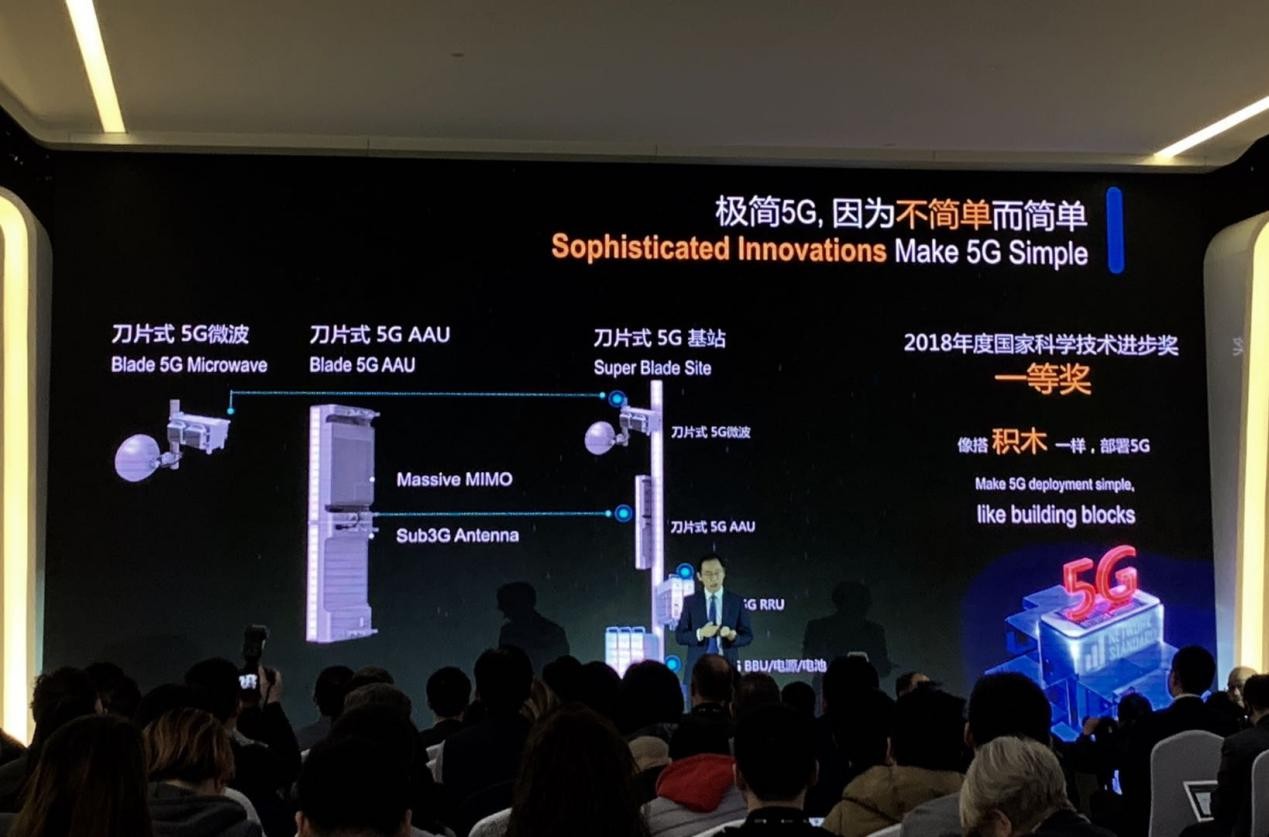
The role of crystal oscillators in 5G base stations is to provide precise signal sources that work in a collaborative mode to achieve high-speed data transmission (exchange) between devices over network channels. Therefore, 5G technology imposes strict requirements on crystal oscillator products, which are mainly reflected in the following aspects:
1. Three highs (high frequency output, high precision, high stability)
2. Two lows (low phase noise, low power consumption)
3. Small size (to be installed on PCBs of varying sizes and covering multiple layers)
4. Anti-interference (to resist interference from surrounding electromagnetic signals, electrostatic and temperature changes, etc.).
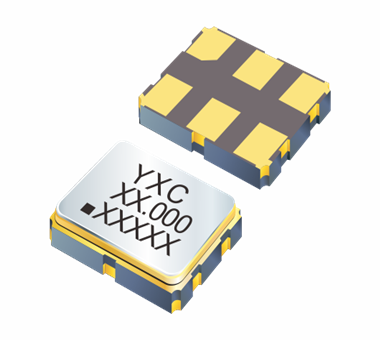
To address these requirements, YXC has launched the differential programmable oscillator YSO210PR series, specifically the OA2EIB112-200M model, which is highly suitable for the demanding communication applications in 5G base stations, providing strong support for the construction and optimization of 5G base stations with its excellent performance and flexibility.
The following are the typical parameters and application characteristics of OA2EIB112-200M in 5G base stations:
1. Quartz active differential programmable oscillator with a precise frequency point of 200MHz; this series can cover a frequency range from 10MHz to 1500MHz, leading in domestic technology and providing accurate reference clocks for systems.
2. Operating voltage of 3.3V, meeting circuit design requirements.
3. Widely used in 5G small base stations, servers, switches, optical modules, and other high-speed AI-related fields.
4. Output modes include three options: LVDS, LVPECL, and HCSL, to meet various output port requirements.
This series of oscillators not only features high precision, high stability, and low phase noise, but it also effectively reduces electromagnetic interference and noise impact on signals through a differential output design, ensuring clarity and accuracy in signal transmission. Additionally, its low power consumption helps reduce the overall energy consumption of base stations, aligning with the trend of green communication development. In practical applications of 5G base stations, YXC's YSO210PR series oscillators can easily meet the demands for high-frequency, high-speed, and high-density data transmission. Whether for small base stations or large ones, this series of oscillators provides a stable and reliable clock reference signal, ensuring seamless connections and data exchanges between base stations and between base stations and user terminals. Furthermore, the variety of output mode options offers users greater flexibility and convenience, allowing this series of oscillators to be widely used in various high-speed communication signals and related fields.

It is worth mentioning that YXC, during the R&D process, has considered the continuous development of future communication technologies and has upgraded and optimized the OA2EIB112-200M oscillator. By adopting more advanced production processes and testing methods, this oscillator maintains high performance while achieving lasting stability and longevity. This provides a solid guarantee for the long-term stable operation of 5G base stations and future technology upgrades. As the 5G technology continues to proliferate and application scenarios expand, YXC's YSO210PR series active differential programmable oscillators will play an important role in more fields. Yangxing Technology, the parent company of Yuanqimao, is dedicated to the research, production, and sales of clock frequency devices, compliant with industry standards such as AEC-Q200 and IATF16949 automotive system certification. The products are efficient, safe, and reliable, widely used in automotive, communication, industrial, medical, and military sectors, having served over 40,000 customers since its establishment.
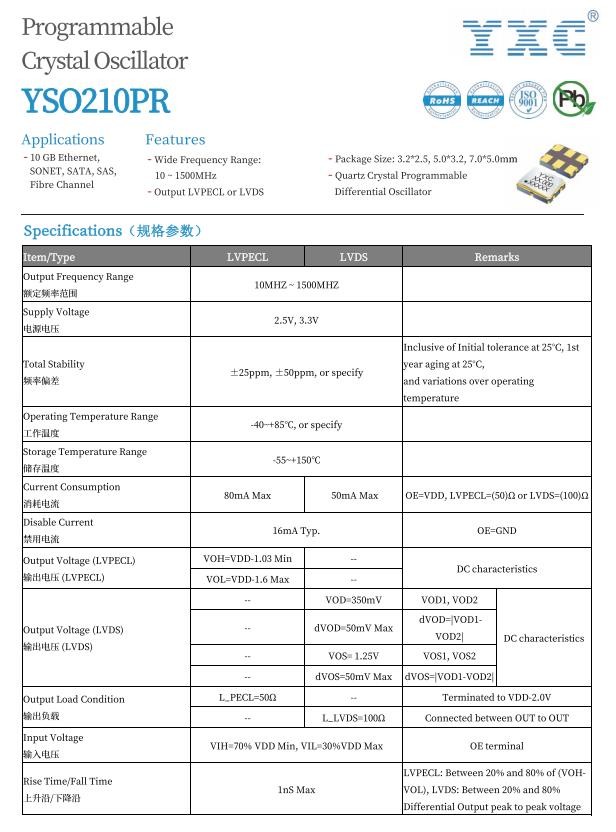
YXC's quartz active differential programmable oscillator YSO210PR series operates at a frequency of 200MHz with a total frequency tolerance of ±50PPM. Attached is the specification sheet for the YSO210PR series.
YXC Active Differential Programmable Crystal Oscillator Supports 5G Base Station Applications
Time: 2024-10-23 10:36:51
So far, the fifth generation of mobile communication technology (5th Generation Mobile Networks, abbreviated as 5G) has officially been in commercial use since 2019, accompanying us for five years. It is the latest generation of cellular mobile communication technology in the world and represents another qualitative leap in technology following 2G, 3G, and 4G. The technology of 5G networks has brought unprecedented disruptive changes to all industries worldwide, especially the electronic information industry, leading humanity into the era of high-speed big data. The performance objectives of 5G include high data rates, reduced latency, energy savings, cost reduction, increased system capacity, and massive device connectivity.
As we all know, 5G base stations are a crucial core component of the 5G network, enabling wireless signal transmission between wired communication networks and wireless terminals. The core architecture components of 5G base stations include chips, antennas, radio frequency components, filters, network optimization equipment, power amplifiers (PAs), and printed circuit boards (PCBs). Due to the higher frequency resulting in greater signal attenuation during transmission, the deployment density of 5G base stations will be significantly higher than that of 4G base stations. With the development of IoT technology, 5G communication, characterized by high speed, large capacity, ultra-low latency, and multi-channel simultaneous access, is entering a period of comprehensive implementation. Among these, the setting up of 5G base stations is already underway. The demand for miniaturized 5G base stations is increasing year by year, and the crystal oscillators, which play a decisive role in communication quality, are also required to be more rigorous.
The role of crystal oscillators in 5G base stations is to provide precise signal sources that work in a collaborative mode to achieve high-speed data transmission (exchange) between devices over network channels. Therefore, 5G technology imposes strict requirements on crystal oscillator products, which are mainly reflected in the following aspects:
1. Three highs (high frequency output, high precision, high stability)
2. Two lows (low phase noise, low power consumption)
3. Small size (to be installed on PCBs of varying sizes and covering multiple layers)
4. Anti-interference (to resist interference from surrounding electromagnetic signals, electrostatic and temperature changes, etc.).
To address these requirements, YXC has launched the differential programmable oscillator YSO210PR series, specifically the OA2EIB112-200M model, which is highly suitable for the demanding communication applications in 5G base stations, providing strong support for the construction and optimization of 5G base stations with its excellent performance and flexibility.
The following are the typical parameters and application characteristics of OA2EIB112-200M in 5G base stations:
1. Quartz active differential programmable oscillator with a precise frequency point of 200MHz; this series can cover a frequency range from 10MHz to 1500MHz, leading in domestic technology and providing accurate reference clocks for systems.
2. Operating voltage of 3.3V, meeting circuit design requirements.
3. Widely used in 5G small base stations, servers, switches, optical modules, and other high-speed AI-related fields.
4. Output modes include three options: LVDS, LVPECL, and HCSL, to meet various output port requirements.
This series of oscillators not only features high precision, high stability, and low phase noise, but it also effectively reduces electromagnetic interference and noise impact on signals through a differential output design, ensuring clarity and accuracy in signal transmission. Additionally, its low power consumption helps reduce the overall energy consumption of base stations, aligning with the trend of green communication development. In practical applications of 5G base stations, YXC's YSO210PR series oscillators can easily meet the demands for high-frequency, high-speed, and high-density data transmission. Whether for small base stations or large ones, this series of oscillators provides a stable and reliable clock reference signal, ensuring seamless connections and data exchanges between base stations and between base stations and user terminals. Furthermore, the variety of output mode options offers users greater flexibility and convenience, allowing this series of oscillators to be widely used in various high-speed communication signals and related fields.
It is worth mentioning that YXC, during the R&D process, has considered the continuous development of future communication technologies and has upgraded and optimized the OA2EIB112-200M oscillator. By adopting more advanced production processes and testing methods, this oscillator maintains high performance while achieving lasting stability and longevity. This provides a solid guarantee for the long-term stable operation of 5G base stations and future technology upgrades. As the 5G technology continues to proliferate and application scenarios expand, YXC's YSO210PR series active differential programmable oscillators will play an important role in more fields. Yangxing Technology, the parent company of Yuanqimao, is dedicated to the research, production, and sales of clock frequency devices, compliant with industry standards such as AEC-Q200 and IATF16949 automotive system certification. The products are efficient, safe, and reliable, widely used in automotive, communication, industrial, medical, and military sectors, having served over 40,000 customers since its establishment.
YXC's quartz active differential programmable oscillator YSO210PR series operates at a frequency of 200MHz with a total frequency tolerance of ±50PPM. Attached is the specification sheet for the YSO210PR series.
Other Articles
-

Role of 32.768 kHz in Circuit Design
-
SiTime Automotive Oscillators
-
The Role of 32.768kHz in Circuits
-
Epson RTC modules solve three major pain points of ioT
-
11.0592MHz Crystal Oscillator: The "Heart" of the Computer Motherboard?
-
Examine the cost and design considerations of crystals and oscillators
-
Exploring how YXC oscillators show their skills to help with AI servers
-
Lessons from the Middle East Events — The Importance of Localization!
-
Good News: YQM won Epson's 2023 New Market Development Award !!!
-
YXC Active Differential Programmable Crystal Oscillator Supports 5G Base Station Applications


Copyright By © YQM ELECTRONICS INTL LIMITED SITEMAP
Email: sales@yqmec.com

点击右上角
分享给朋友吧


